


What are the fundamental advantages of fumigation-free wooden pallets in terms of insect and mold prevention?
Release Time : 2026-01-08
In modern logistics and international trade, wooden pallets serve as the basic unit for carrying goods, and their safety and compliance directly impact transportation efficiency and cargo quality. However, while traditional wooden pallets are made from natural materials and offer reliable load-bearing capacity, they have long faced an unavoidable hidden danger: the risk of insect infestation and mold. During natural growth and extensive processing, wood may carry insect eggs, fungal spores, or internal moisture. Once placed in a sealed container or high-humidity storage environment, it is highly susceptible to insect infestation, mold, and rot, threatening not only the pallet's structure but also potentially contaminating the goods and even leading to quarantine rejection by the importing country. The emergence of fumigation-free wooden pallets completely solves this problem from the source of the material. Their advantage in insect and mold prevention stems not from surface treatment but from a fundamental innovation in the manufacturing process.
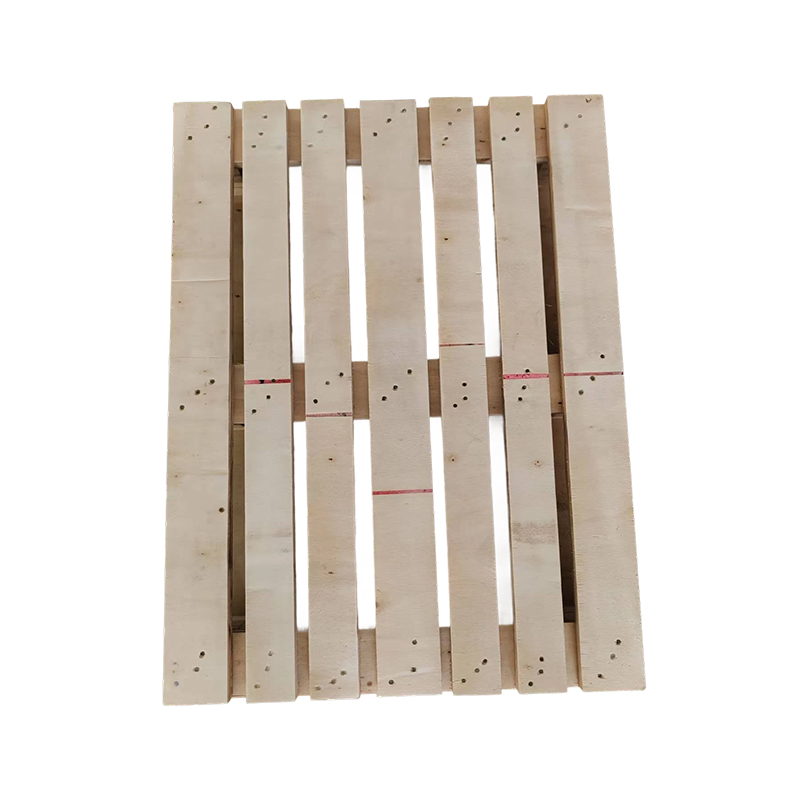
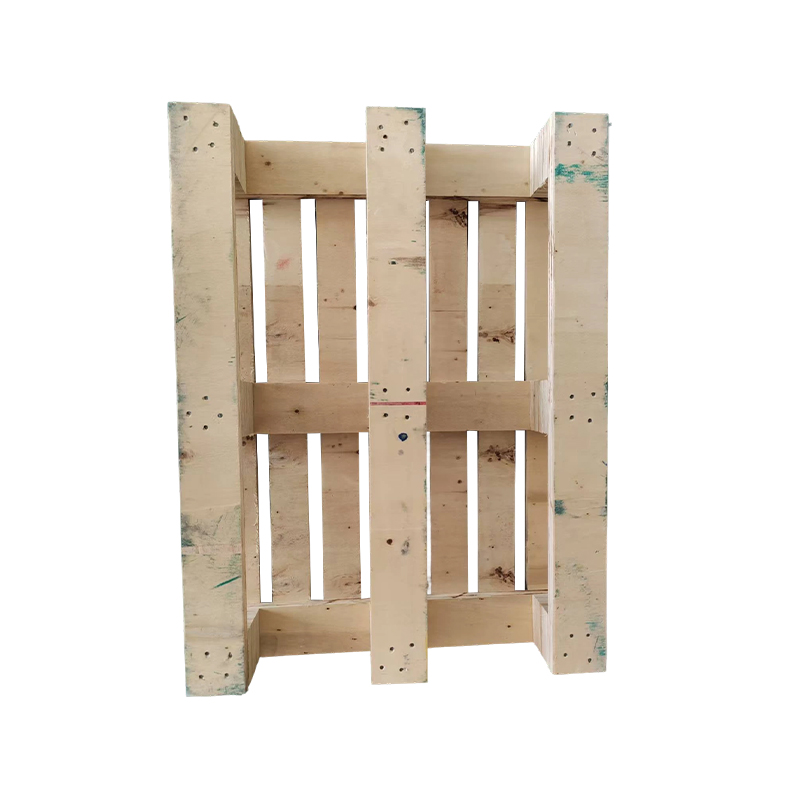
Traditional solid wood pallets are typically made by directly sawing and splicing logs. The internal pores, bark residue, and tiny cracks of the wood provide ideal habitats and breeding grounds for pests (such as longhorn beetles and powdery beetles) and mold. Even after chemical fumigation (such as methyl bromide treatment), only surface or shallow organisms can be killed, failing to eradicate insect eggs or drug-resistant spores hidden deep within the wood fibers. More importantly, fumigation is a "post-treatment remedy" and cannot change the wood's inherent porous and hygroscopic properties—during sea transport, temperature fluctuations or high humidity during the rainy season cause the wood to rapidly absorb moisture, creating conditions for secondary mold growth. This "band-aid" approach is both environmentally controversial and cannot provide long-term protection.
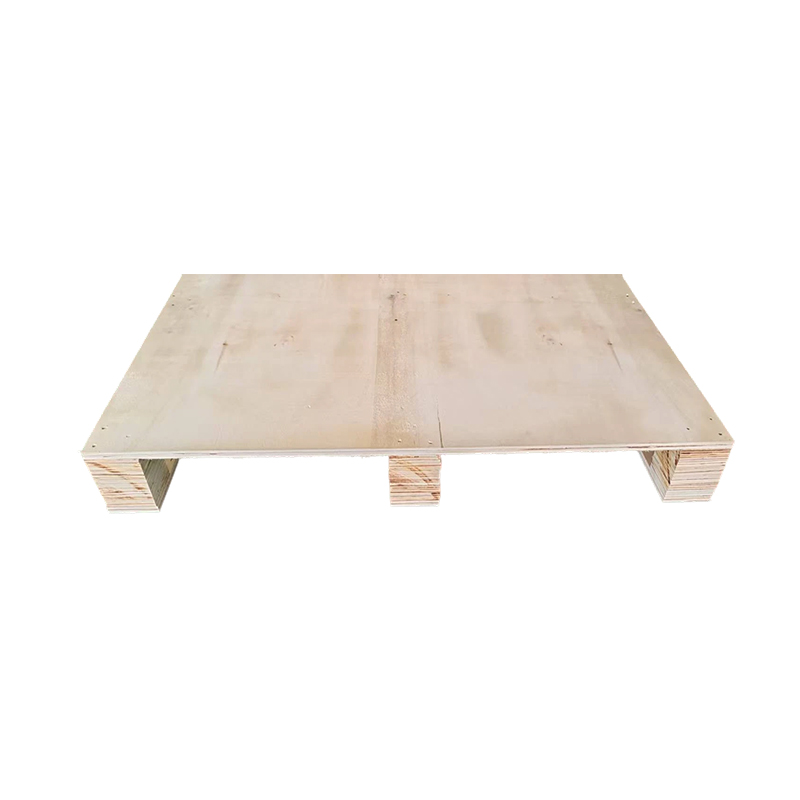
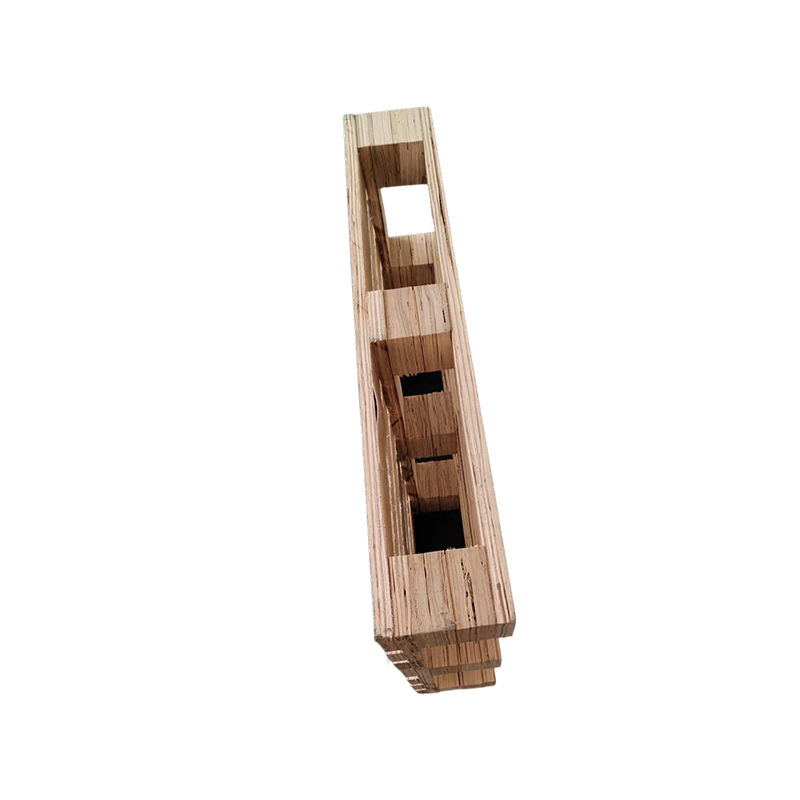
In contrast, fumigation-free wood pallets are mostly made using high-temperature, high-pressure bonding processes, such as oriented strand board (OSB), plywood, or engineered wood. Their raw materials are wood chips, sawdust, or veneer, which are rigorously selected, dried to extremely low moisture content, and then fused with environmentally friendly adhesives in a hot press. This process itself acts as a "natural barrier": high-temperature treatment completely inactivates all bioactive organisms, including insect eggs, fungi, and bacteria; high-pressure densification significantly reduces material porosity, resulting in a uniform, dense structure that is virtually non-hygroscopic and airtight. Without moisture, mold cannot metabolize and multiply; without loose fiber channels, pests have nowhere to nest. Therefore, its insect and mold resistance does not rely on external agents but is inherent in the material's physical and chemical stability.
Furthermore, the smooth, flat surface of the fumigation-free pallet, free of bark, knots, and cracks, further reduces the possibility of dirt accumulation and microbial adhesion. Even after long-term storage in humid warehouses or transoceanic transport, its dimensional stability is far superior to solid wood, making it less prone to warping and cracking, thus avoiding localized water accumulation and mold growth due to structural damage. This "inside-out" cleanliness is particularly suitable for industries with stringent hygiene requirements, such as food, pharmaceuticals, and precision electronics, eliminating product recalls or brand reputation damage caused by pallet contamination.
More importantly, the insect and mold prevention properties of fumigation-free wooden pallets are durable and consistent. They do not diminish over time and require no periodic re-inspection or re-treatment. Their biocompatibility remains unchanged both at the time of manufacture and after a year of use. This has earned them widespread global recognition, complying with the International Plant Protection Convention (IPPC) ISPM 15 standard, allowing for free circulation without additional fumigation certification, truly achieving "manufactured once, available globally."
Ultimately, the fundamental advantage of fumigation-free wood pallets in insect and mold prevention lies in shifting risk control from "end-of-pipe treatment" to "source design." It replaces the uncertainty of natural wood with the controllability of industrialized production; and replaces the temporary nature of chemical agents with the stability of materials science. When a case of high-end wine or life-saving medicine crosses oceans, standing firmly on a fumigation-free pallet, it represents not only efficient logistics but also a silent commitment to safety and cleanliness—because true protection is not about covering up problems, but about preventing them from even having a chance to exist in the first place.
Traditional solid wood pallets are typically made by directly sawing and splicing logs. The internal pores, bark residue, and tiny cracks of the wood provide ideal habitats and breeding grounds for pests (such as longhorn beetles and powdery beetles) and mold. Even after chemical fumigation (such as methyl bromide treatment), only surface or shallow organisms can be killed, failing to eradicate insect eggs or drug-resistant spores hidden deep within the wood fibers. More importantly, fumigation is a "post-treatment remedy" and cannot change the wood's inherent porous and hygroscopic properties—during sea transport, temperature fluctuations or high humidity during the rainy season cause the wood to rapidly absorb moisture, creating conditions for secondary mold growth. This "band-aid" approach is both environmentally controversial and cannot provide long-term protection.
In contrast, fumigation-free wood pallets are mostly made using high-temperature, high-pressure bonding processes, such as oriented strand board (OSB), plywood, or engineered wood. Their raw materials are wood chips, sawdust, or veneer, which are rigorously selected, dried to extremely low moisture content, and then fused with environmentally friendly adhesives in a hot press. This process itself acts as a "natural barrier": high-temperature treatment completely inactivates all bioactive organisms, including insect eggs, fungi, and bacteria; high-pressure densification significantly reduces material porosity, resulting in a uniform, dense structure that is virtually non-hygroscopic and airtight. Without moisture, mold cannot metabolize and multiply; without loose fiber channels, pests have nowhere to nest. Therefore, its insect and mold resistance does not rely on external agents but is inherent in the material's physical and chemical stability.
Furthermore, the smooth, flat surface of the fumigation-free pallet, free of bark, knots, and cracks, further reduces the possibility of dirt accumulation and microbial adhesion. Even after long-term storage in humid warehouses or transoceanic transport, its dimensional stability is far superior to solid wood, making it less prone to warping and cracking, thus avoiding localized water accumulation and mold growth due to structural damage. This "inside-out" cleanliness is particularly suitable for industries with stringent hygiene requirements, such as food, pharmaceuticals, and precision electronics, eliminating product recalls or brand reputation damage caused by pallet contamination.
More importantly, the insect and mold prevention properties of fumigation-free wooden pallets are durable and consistent. They do not diminish over time and require no periodic re-inspection or re-treatment. Their biocompatibility remains unchanged both at the time of manufacture and after a year of use. This has earned them widespread global recognition, complying with the International Plant Protection Convention (IPPC) ISPM 15 standard, allowing for free circulation without additional fumigation certification, truly achieving "manufactured once, available globally."
Ultimately, the fundamental advantage of fumigation-free wood pallets in insect and mold prevention lies in shifting risk control from "end-of-pipe treatment" to "source design." It replaces the uncertainty of natural wood with the controllability of industrialized production; and replaces the temporary nature of chemical agents with the stability of materials science. When a case of high-end wine or life-saving medicine crosses oceans, standing firmly on a fumigation-free pallet, it represents not only efficient logistics but also a silent commitment to safety and cleanliness—because true protection is not about covering up problems, but about preventing them from even having a chance to exist in the first place.